Jammu & Kashmir
Famous Food
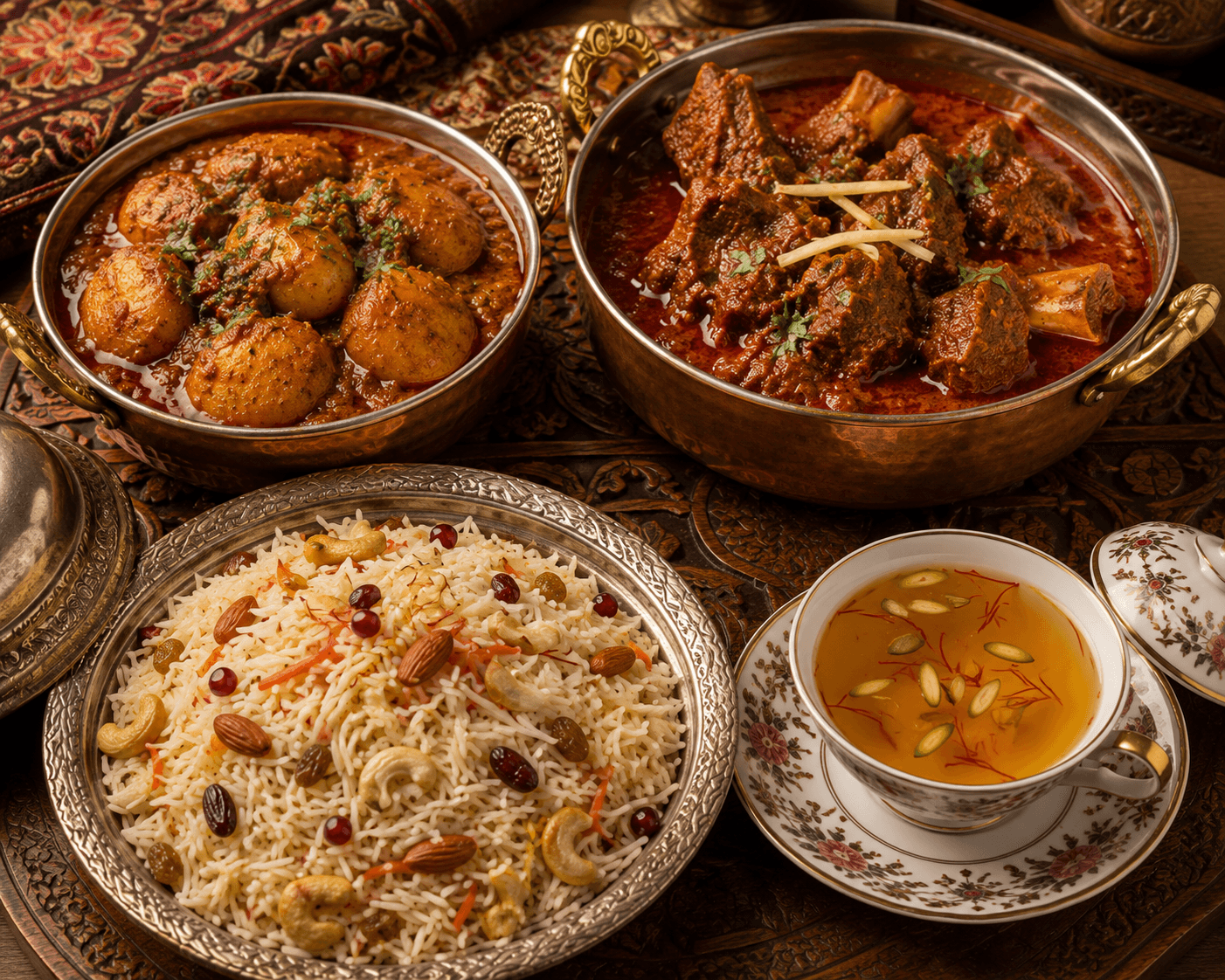
Kashmiri Dum Aloo, Rogan Josh, Kahwa, Modur Pulao and traditional Kashmiri breads are popular delicacies of the region.
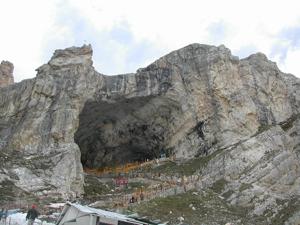
Amarnath Shaktipeeth is revered as the sacred site where Goddess Sati's Throat is believed to have fallen. The Throat symbolizes divine speech, sacred knowledge, truth, and the power of spiritual expression. This holy shrine represents the ability of Adi Shakti to guide creation through wisdom, mantras, and divine communication. Devotees worship here to seek clarity of thought, truthful expression, spiritual enlightenment, and the blessings of the Divine Mother.
Nestled amidst the majestic Himalayas, Amarnath Shaktipeeth is one of the revered sacred sites associated with the fall of Goddess Sati's Throat. The shrine is deeply connected with the spiritual traditions of Lord Shiva and Goddess Parvati, making it a place of immense religious significance. The association with Sati's Throat symbolizes divine wisdom, sacred sound, and the transmission of eternal truths. Pilgrims journey to this holy site seeking spiritual awakening, inner purity, and the blessings of Adi Shakti, whose divine voice continues to inspire devotion, knowledge, and liberation.
The Amarnath cave lies at about 3,880 metres in the Kashmir Himalaya. Inside, water dripping from the roof freezes into a lingam of ice that grows and shrinks with the seasons and the moon, alongside smaller formations revered as Parvati and Ganesha.
Legend says Shiva chose this remote cave to reveal the secret of immortality, the Amar Katha, to Parvati — and that a pair of pigeons overheard and became immortal. As a Shakti Peeth it is the seat of Sati's throat, where the Goddess is worshipped as Mahamaya.
The cave can only be reached during the summer yatra, organised by the Shri Amarnathji Shrine Board. Pilgrims must register in advance and carry a health certificate, then trek either the longer traditional route from Pahalgam or the shorter, steeper route from Baltal.
The food, the cloth and the places that surround Amarnath — the living culture pilgrims walk through.
Kashmiri Dum Aloo, Rogan Josh, Kahwa, Modur Pulao and traditional Kashmiri breads are popular delicacies of the region.

The Pheran, Kashmiri shawls and fine Pashmina wool garments represent the rich cultural heritage of Kashmir.
“Amarnath reminds devotees that true immortality lies not in the body, but in the eternal wisdom revealed through devotion and spiritual realization.”Yatra Season · June - August
According to Shakti Peeth tradition, the Throat of Goddess Sati fell at this sacred site, making Amarnath Shaktipeeth one of the revered Shakti Peethas of Bharat.
Amarnath Shaktipeeth is located in Anantnag District, Jammu & Kashmir, India.
The best time to visit Amarnath Shaktipeeth is during the Yatra Season (June - August).
The nearest airport to Amarnath Shaktipeeth is Srinagar International Airport, and the nearest railway station is Srinagar Railway Station.
At Amarnath Shaktipeeth the Goddess is worshipped as Mahamaya, and the peeth is guarded by Trisandhyeshwar, the form of Shiva who accompanies her.
Major festivals and rituals at Amarnath Shaktipeeth include Amarnath Yatra (Jul – Aug), Bhoomi Pujan at Pahalgam (July), Obeisance at Sharika Bhawani (Shravan Shukla Pratipada), Chhari Mubarak Darshan (Aug).
Popular nearby attractions near Amarnath Shaktipeeth include Amarnath Cave, Dal Lake, Sonamarg, Sheshnag Lake, Baltal Valley.