Assam
Famous Food
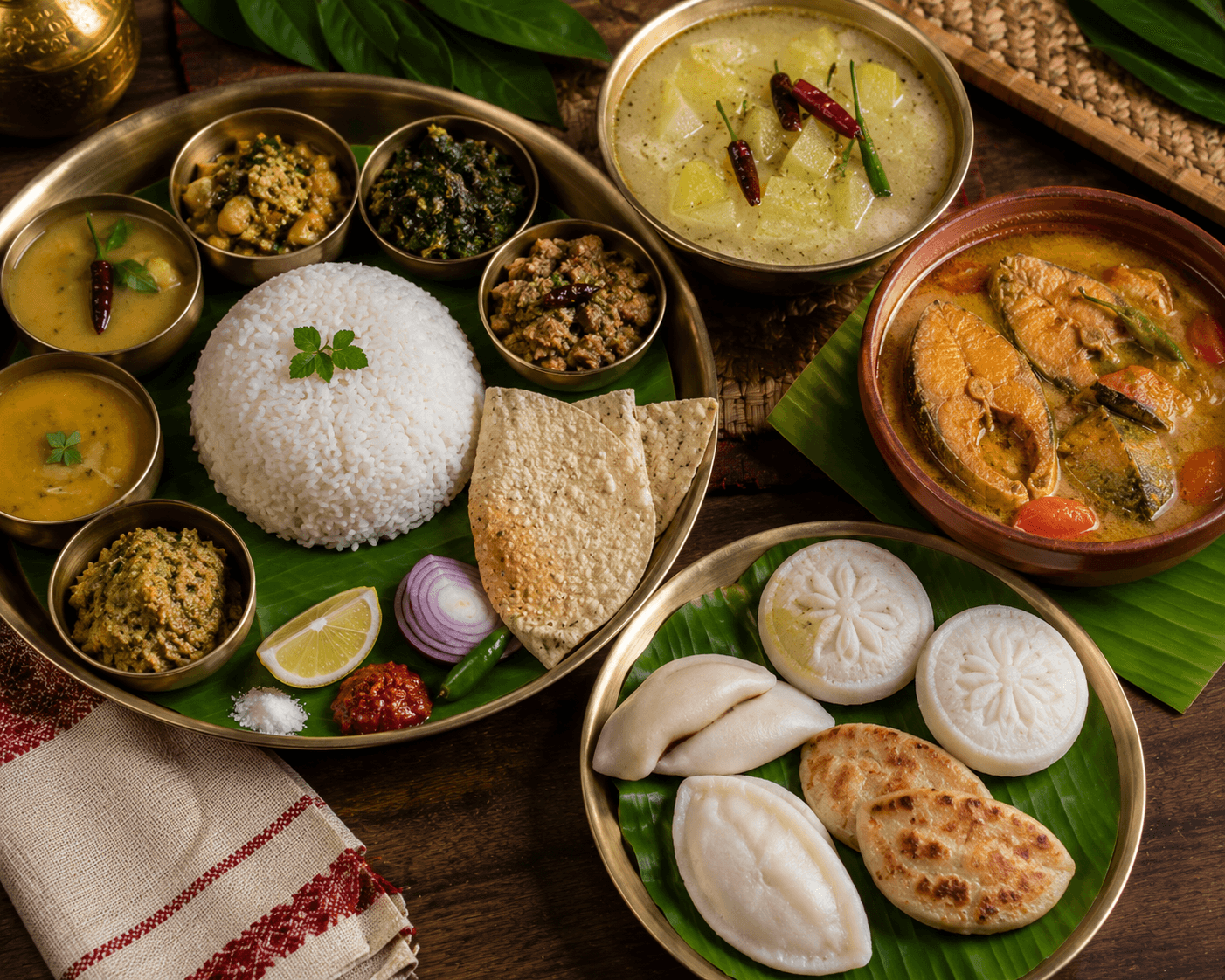
Assamese Thali, Khar, Masor Tenga, Pitha and traditional Assamese sweets are cherished local delicacies.
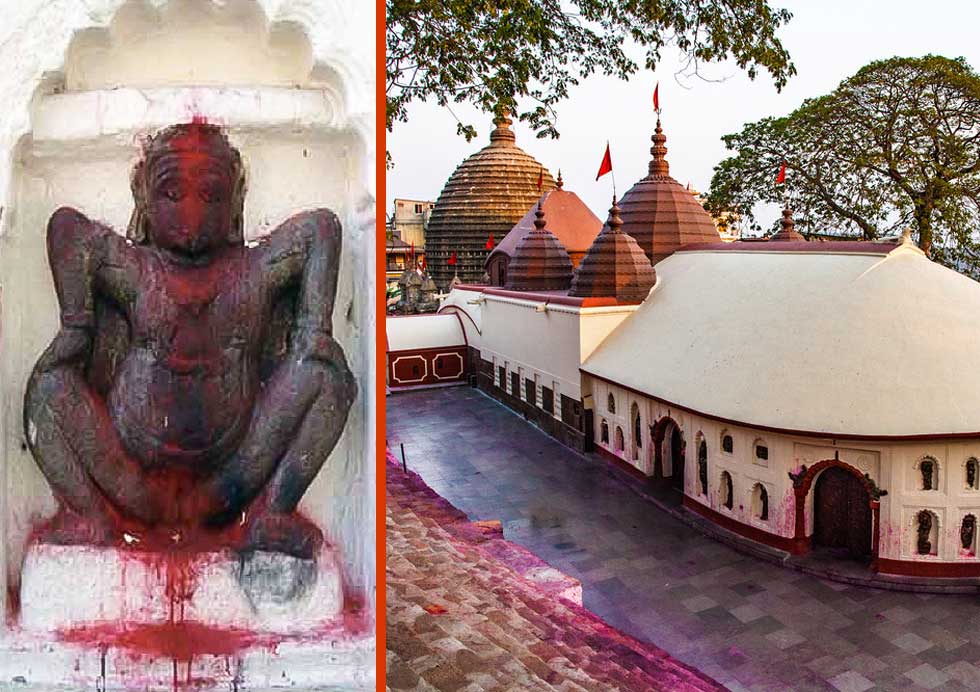
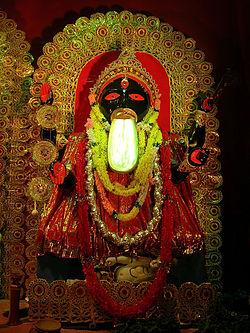
Kamakhya Shaktipeeth is the sacred site where Goddess Sati's yoni (womb) is believed to have fallen, making it the foremost center of divine feminine energy, fertility, creation and Shakti worship.
Located atop Nilachal Hill in Guwahati, Assam, Kamakhya Temple is one of the most revered Shakti Peethas in India. The temple is unique because it does not contain a traditional idol; instead, devotees worship a natural rock fissure symbolizing the creative power of the Divine Mother. Kamakhya is regarded as the heart of Tantric worship and represents fertility, motherhood, creation and cosmic feminine energy.
The food, the cloth and the places that surround Kamakhya — the living culture pilgrims walk through.
Assamese Thali, Khar, Masor Tenga, Pitha and traditional Assamese sweets are cherished local delicacies.

Mekhela Chador and Assamese handwoven silk garments, especially Muga Silk, represent Assam's rich textile heritage.
“Kamakhya reminds devotees that all creation emerges from the Divine Mother, whose power nurtures life, transformation and spiritual awakening.”Yatra Season · October - April
According to Shakti Peeth tradition, the Yoni (Womb) of Goddess Sati fell at this sacred site, making Kamakhya Shaktipeeth one of the revered Shakti Peethas of Bharat.
Kamakhya Shaktipeeth is located in Guwahati, Assam, India.
The best time to visit Kamakhya Shaktipeeth is during the Yatra Season (October - April).
The nearest airport to Kamakhya Shaktipeeth is Lokpriya Gopinath Bordoloi International Airport, and the nearest railway station is Guwahati Railway Station.
Major festivals and rituals at Kamakhya Shaktipeeth include Ambubachi Mela (June), Manasa Puja & Deodhani (Aug), Sharadiya Durga Puja (Sept – Oct), Pohan Biya (Dec – Jan).
Popular nearby attractions near Kamakhya Shaktipeeth include Nilachal Hill, Umananda Temple, Brahmaputra River, Assam State Museum, Pobitora Wildlife Sanctuary.